The first Arbor Day was celebrated in 1872 as a special day for planting trees and has grown to thousands of celebrations in communities across the nation each year. National Arbor Day is the third Friday in April, when it’s too warm to plant trees in this state, so Governor Nathan Deal has proclaimed February 20, 2015, as Georgia Arbor Day.
Of Georgia’s 37 million acres of land area, 24.4 million acres is timberland available for commercial use – more than any other state in the nation. So as the state celebrates Arbor Day, it’s fitting to acknowledge the importance of our state’s second largest industry – forestry.
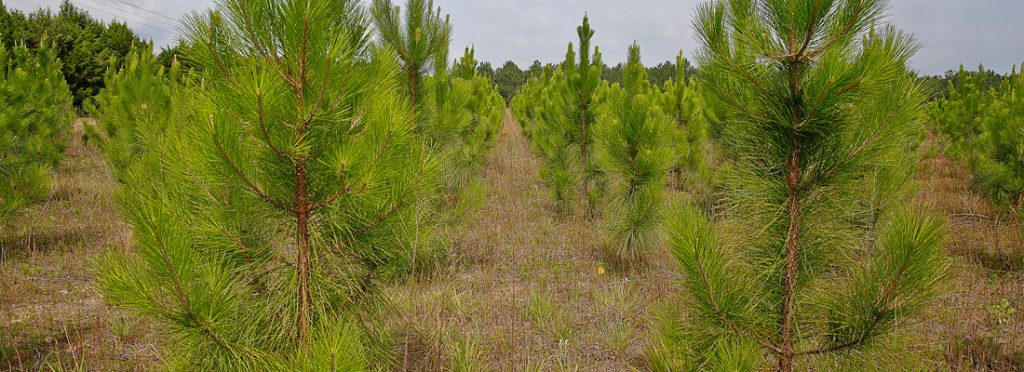
In Georgia, 22 million acres of privately owned working forests support an industry that provides 130,000 jobs and an annual $28.9 billion that boost the state’s economy. These benefits reach across Georgia’s rural communities, which are critically dependent on the industry for their economic wellbeing.
Georgia’s forests deliver not only important economic benefits, but also environmental and social benefits including diverse wood products, clean water, carbon storage, wildlife habitat, aesthetics and recreation. So it’s imperative that Georgia keep its forests sustainable for present and future generations.
To do so, private forest landowners must continue to have sufficient economic incentives to grow, harvest and sell trees. Such economic incentives are provided through existing forestry provisions in the federal tax code.
Today, the timber tax provisions approved by Congress are achieving intended outcomes by encouraging landowners across the country to keep their land in productive forestry. Among other things, these provisions allow landowners to deduct the annual costs associated with growing healthy, sustainable timberlands.
However, it is alarming to consider that these much needed provisions are at risk as federal lawmakers weigh options for pro-growth changes to the tax code. As they do so, the forestry community must ensure they consider the continued economic vitality of 450 million acres of private forests owned and managed nationwide, including the 22.2 million acres of privately owned working forests in Georgia.
Without these provisions the economics of investing in working forests would fundamentally be altered and private forestland owners would be forced to consider converting their land to different uses. Jobs and economies here in Georgia and across the country would be adversely impacted, as would the many environmental and social benefits working forests provide.
On Feb. 2, the Georgia Forestry Association (GFA) and several members of the forestry community sent a letter to U.S. Representative Paul Ryan (R-WI) and U.S. Representative Sander Levin (D-MI) to urge the Committee to retain the current law which recognizes that: timber is a long-term real estate investment; decisions to invest in timber were made decades ago; and changing the tax treatment would significantly and negatively impact working forests that contribute to economic growth and environmental quality.
GFA will continue to work with its national counterparts to ensure that existing timber tax provisions are preserved to keep working forests viable in Georgia. For more information on this issue and the economic impact of eliminating existing timber tax provisions, visit http://nafoalliance.org/policy-solutions/preserving-timber-tax-provisions-to-keep-working-forests-viable. For more information on the tax treatment of timber related activities, visit the National Timber Tax Website at http://www.timbertax.org/.