

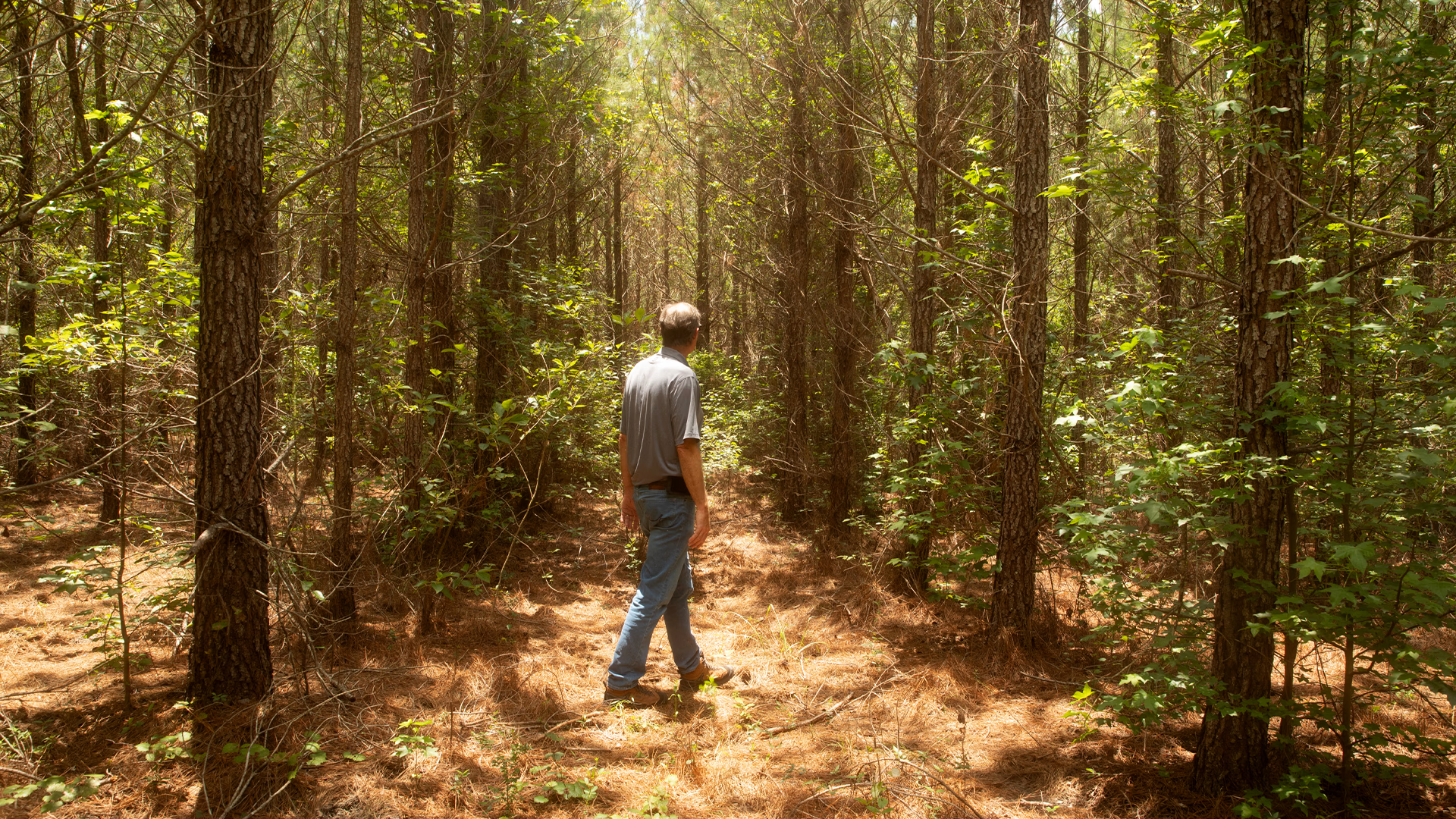
The Wall Street Journal published a major feature today on Southern pulpwood markets, and Georgia landowners, loggers and mill families are at the center of it.
Why it matters: This is the clearest national accounting yet of what our members have been living for three years. Reporter Ryan Dezember frames the loss of pulpwood demand not as a downturn but as a structural break, the most serious threat to the rural South’s forest economy since the fall of King Cotton.
The piece makes clear that this is a Georgia story. We remain the top timber state in the country, with the overwhelming majority of our forestland held by families and private businesses rather than institutions. That ownership structure is our greatest strength, and it is precisely what make markets so consequential: the risk lands on individual families making individual decisions about whether to replant.
Behind the scenes: This coverage did not happen by accident. GFA has cultivated a relationship with Dezember since 2020, and our team worked with him for more than a year on this story — connecting him with landowners, loggers, and operators so he could report the full supply chain from the ground. Earning that kind of sustained, accurate national attention is deliberate work, and it is among the most durable returns your investment in this association produces.

Our members in the story: Many of our members shared their operations and their outlook with the Journal. We are grateful to each of them for opening their businesses to national scrutiny at a difficult moment, their candor is what gave this story its weight.
The bottom line: Our advocacy priorities today resolve to a single question: is there a buyer for the tree? Restoring demand is the work in front of us, and telling this story accurately, at scale, is where it begins.
EXTRA, EXTRA: For those of us who still prefer our news on cellulose, the story will run in Saturday’s print edition of The Wall Street Journal.