Forest Markets and the Economy
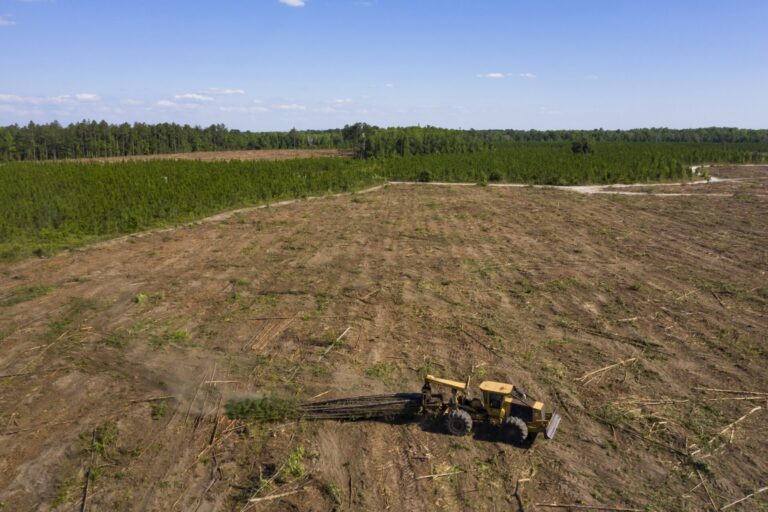
Markets are what turn forests into working assets in Georgia. For most landowners, timber markets remain the foundation of forest income. Products such as pulpwood, chip-n-saw, and sawtimber supply the state’s mills producing lumber, paper, packaging, and other wood-based products. In certain situations, specialty markets like utility poles, posts, or high-value logs can further increase returns. However, forest ownership in Georgia is increasingly supported by more than timber alone. Alternative income streams including hunting leases, pine straw, conservation easements, carbon and ecosystem service programs, recreation and ecotourism, and mineral rights are becoming more common tools for maintaining financial viability and long-term ownership.
Georgia’s strength in these markets is a major reason the state is widely recognized as the #1 Forestry State in the nation. Georgia leads the U.S. in commercially available timberland, annual timber harvest volume, forest product exports, and seedling production for reforestation, all while sustaining forest growth that exceeds removals. These working forests generate tens of billions of dollars in annual economic impact, support hundreds of thousands of jobs, and provide critical ecosystem services.